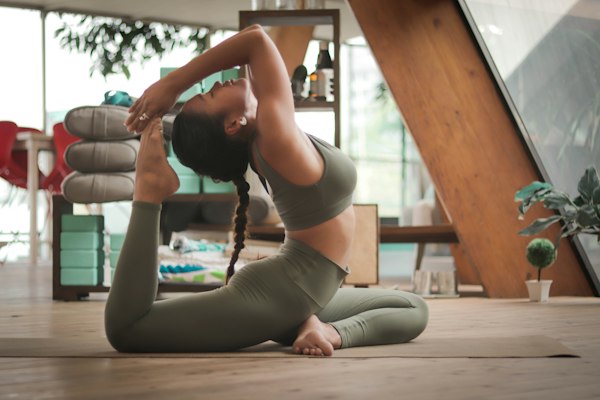
Both are dynamic, breath-based practices — but they differ deeply in structure, philosophy, and what they demand of you.
Walk into almost any yoga studio in the world and you will find Ashtanga and Vinyasa on the timetable. To the uninitiated they look similar — flowing sequences, breath-linked movement, strong and dynamic. But practicing both reveals a profound difference in philosophy, structure, and the kind of practitioner each tends to cultivate.
Ashtanga: The Discipline of Repetition
Ashtanga follows a fixed sequence — the Primary Series, Second Series, and beyond — developed by Sri K. Pattabhi Jois in Mysore, India. You practice the same poses in the same order every time. This is not monotony — it is a methodology. The repetition allows you to stop thinking about what comes next and go deeper into what is actually happening in your body and breath.
Traditionally practiced six days a week, Ashtanga is demanding. It will make you strong, disciplined, and deeply attuned to your own patterns — physical and psychological. It suits people who thrive with clear structure.
Vinyasa: The Freedom of Flow
Vinyasa has no fixed sequence. Each class is different, shaped by the teacher's creativity and the energy of the room. The linking of breath to movement — one breath, one movement — creates a moving meditation that can be both exhilarating and deeply calming.
Vinyasa attracts practitioners who want variety, who are inspired by music and atmosphere, and who prefer the unpredictability of not knowing what comes next. It is a more accessible entry point for beginners, and offers endless creative depth for advanced practitioners.
Which is Right for You?
If you are drawn to ritual, structure, and mastery through repetition — start with Ashtanga. If you are drawn to creativity, variety, and the energy of a guided class — start with Vinyasa. Many practitioners find that years of Vinyasa eventually lead them toward Ashtanga's depth, while Ashtanga practitioners often find Vinyasa a joyful counterbalance. You do not have to choose forever.
Related Articles
The Science Behind Pranayama: Why Breathwork Changes Everything
Modern neuroscience is finally catching up with what yogis have known for thousands of years — your breath is the master switch of your nervous system.
5 Yin Yoga Poses for Deep Sleep and Recovery
If you struggle with sleep or feel chronically wired, these five poses practiced before bed can completely transform your nights.
Beginning Your Yoga Journey: What No One Tells You
Starting yoga can feel intimidating. Here is the honest, encouraging guide we wish someone had given us on day one.