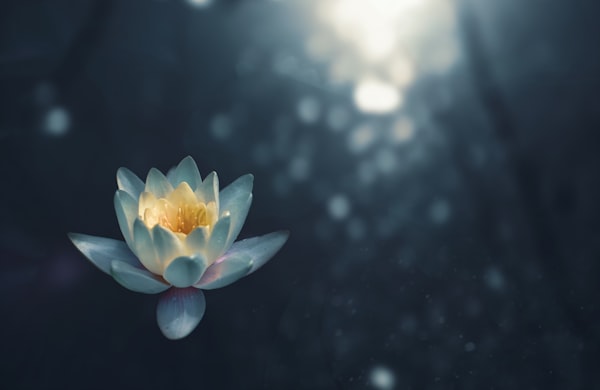
Modern neuroscience is finally catching up with what yogis have known for thousands of years — your breath is the master switch of your nervous system.
Every time you take a slow, conscious breath, you are doing something remarkable — you are manually overriding your body's stress response. The ancient yogis who developed pranayama thousands of years ago understood this intuitively. Today, neuroscientists are proving it in laboratories.
The Nervous System Connection
Your autonomic nervous system has two primary modes: sympathetic (fight-or-flight) and parasympathetic (rest-and-digest). Most of us spend far too much time in sympathetic dominance — chronically elevated cortisol, shallow chest breathing, a mind that never quite stops racing.
The breath is the only autonomic function you can consciously control. This makes it a direct portal into your nervous system. When you slow your exhale, you activate the vagus nerve — the longest cranial nerve in the body — which immediately signals safety to your brain.
What the Research Shows
A 2023 Stanford study found that just five minutes of cyclic sighing — a double inhale through the nose followed by a long exhale — reduced anxiety and improved mood more effectively than mindfulness meditation. Participants reported better sleep, lower resting heart rate, and greater emotional resilience after just four weeks.
Nadi Shodhana, or alternate nostril breathing, has been shown to balance the left and right hemispheres of the brain, reducing blood pressure and improving focus within a single session. Kapalabhati, the rapid rhythmic breath, has been linked to increased metabolic rate and improved respiratory muscle strength.
Where to Begin
You do not need to master complex techniques to benefit. Start with a simple 4-7-8 breath: inhale for four counts, hold for seven, exhale for eight. Practice this for five minutes each morning and notice what shifts over a week. The breath is always with you — it is the most accessible tool you will ever have.
Related Articles
5 Yin Yoga Poses for Deep Sleep and Recovery
If you struggle with sleep or feel chronically wired, these five poses practiced before bed can completely transform your nights.
Beginning Your Yoga Journey: What No One Tells You
Starting yoga can feel intimidating. Here is the honest, encouraging guide we wish someone had given us on day one.
Ashtanga vs Vinyasa: Which Flow is Right for You?
Both are dynamic, breath-based practices — but they differ deeply in structure, philosophy, and what they demand of you.